
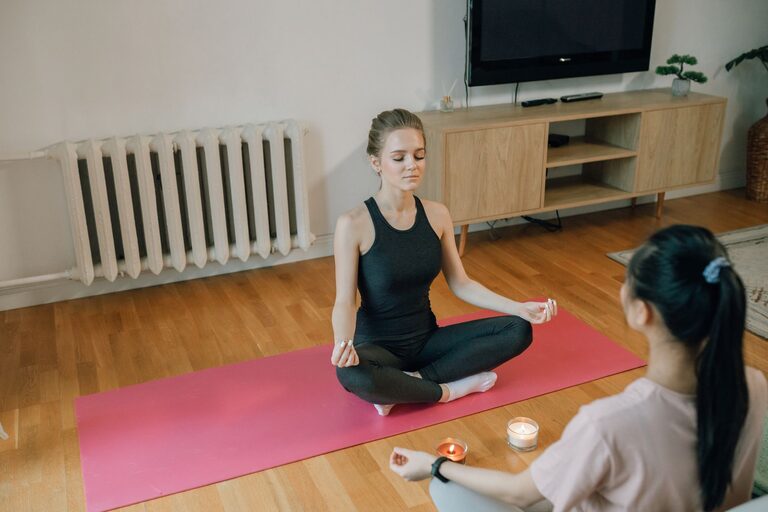
Taking a few mindful breathing breaks throughout your day can be a simple yet powerful way to reduce stress, increase focus, and promote overall well-being. If you’re new to mindful breathing, getting started might feel unfamiliar, but with the right approach, it quickly becomes a refreshing habit anyone can enjoy. This guide offers beginner-friendly tips to help you incorporate mindful breathing breaks into your daily routine with ease.
What Is Mindful Breathing?
Mindful breathing is the practice of paying close attention to your breath — noticing the sensations, rhythm, and flow — without trying to change it. This focus helps anchor your mind in the present moment, easing worries and distractions. Unlike controlled breathing exercises that sometimes require counting or specific patterns, mindful breathing encourages gentle observation, making it accessible for beginners.
Why Take Mindful Breathing Breaks?
Taking regular mindful breathing breaks can benefit you in many ways:
– Reduces stress and anxiety: Focusing on your breath helps calm the nervous system.
– Improves concentration: Mindful pauses refresh your mental energy.
– Enhances emotional resilience: Breathing breaks create space to respond thoughtfully to challenges.
– Supports physical relaxation: Breath awareness can lower muscle tension and heart rate.
Even short breaks of just 1 to 5 minutes can make a noticeable difference.
How to Prepare for Your Breathing Breaks
You don’t need special equipment or a quiet room to get started. Here’s how to set up your mindful breathing practice:
– Find a comfortable position: Sit or stand comfortably with a straight spine. You can also lie down if you prefer.
– Choose a consistent time: Consider taking breaks mid-morning, during lunch, or mid-afternoon when your energy tends to dip.
– Minimize distractions: Close your eyes or soften your gaze to help focus inward.
– Set a timer (optional): Start with 1-3 minutes and gradually increase if desired.
Step-by-Step Guide to a Mindful Breathing Break
1. Begin with Awareness
Start by noticing how your body feels. Observe any areas of tension or tightness without judgment.
2. Focus on Your Breath
Shift your attention to your natural breathing. Notice the air entering and leaving your nose or mouth. Feel the rise and fall of your chest or belly.
3. Breathe Naturally
Don’t try to control or change your breath. Simply observe its natural rhythm.
4. Gently Redirect Your Mind
If your thoughts wander, gently bring your focus back to your breath. It’s normal for distractions to happen.
5. Finish with Gratitude
When your timer goes off or you feel ready, slowly open your eyes if closed. Take a moment to appreciate the calm you’ve created.
Tips for Making Mindful Breathing a Habit
– Start small: Begin with just 1-minute breaks and build up.
– Use reminders: Set phone alarms or sticky notes as prompts.
– Combine with daily activities: Try mindful breathing while waiting in line, during a commute, or before meals.
– Practice regularly: Consistency helps build lasting benefits.
– Try guided sessions: Apps and videos can provide helpful instructions.
– Be patient and kind to yourself: Mindfulness is a skill that improves over time.
Common Challenges and How to Overcome Them
Feeling Restless or Fidgety
If sitting still is difficult, try mindful breathing while walking slowly or doing gentle stretches.
Difficulty Focusing
It’s normal for your mind to wander. Each time it happens, simply return your focus to the breath without frustration.
Forgetting to Take Breaks
Use technology reminders or pair breathing breaks with existing habits, like after checking email.
Additional Mindful Breathing Techniques for Beginners
Once you feel comfortable with simple mindful breathing, you might explore:
– Box breathing: Inhale, hold, exhale, and hold for equal counts (e.g., 4 seconds each).
– Counting breaths: Silently count each breath cycle up to 10, then start over.
– Body scan breathing: Combine breath awareness with noticing sensations throughout your body.
These techniques add variety and can deepen relaxation.
Conclusion
Mindful breathing breaks are an easy and accessible tool for anyone looking to improve mental clarity and reduce stress. Remember, the goal is not to “do it perfectly” but to simply return your attention to the breath whenever you can. With regular practice, these small pauses can bring greater calm and focus to your day.
Why not try a mindful breathing break now? Just one minute could make a difference!
About the Author