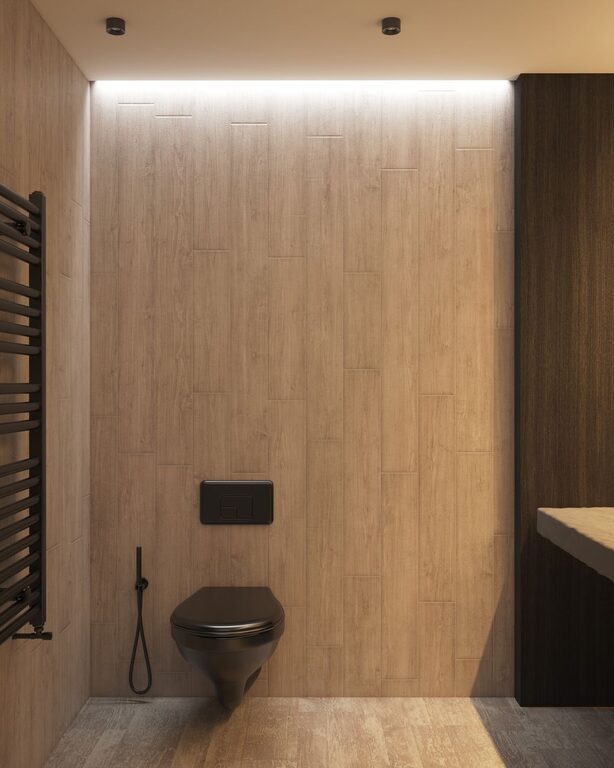

A dark room can feel cramped, gloomy, and uninviting. Whether it’s a basement, a room with small windows, or a space overshadowed by heavy furniture, a lack of natural light can impact your mood and the overall ambiance. Fortunately, brightening a dark room doesn’t require a major renovation. With a few thoughtful adjustments and creative ideas, you can transform dark spaces into cheerful and welcoming areas. Here are quick, practical strategies to add light, warmth, and style to any shadowy room.
Understanding Why Rooms Feel Dark
Before diving into solutions, it helps to identify why your room feels dark. Common reasons include:
– Limited natural light due to small or few windows
– Dark wall colors or flooring absorbing light
– Bulky furniture blocking light sources
– Lack of adequate artificial lighting
– Clutter and heavy window treatments that reduce reflectiveness
Once you understand the cause, you can choose the most effective fixes suited for your space.
Use Light Colors on Walls and Ceilings
One of the easiest ways to brighten a room is by repainting walls and ceilings with light colors.
Choose Bright and Reflective Paint Colors
– Soft whites, creams, pale grays, or pastels reflect more light than dark or saturated shades.
– Gloss or semi-gloss finishes reflect light better than matte paints, adding subtle shine.
Don’t Forget the Ceiling
– Painting the ceiling a bright white or very light color helps bounce light down into the room, making the space feel taller and airier.
If repainting isn’t an option, consider removable wallpaper or light-colored wall decals to brighten the space.
Maximize Natural Light
Maximizing daylight is a simple and effective way to improve brightness.
Keep Windows Clean
– Regularly clean windows inside and out to allow maximum sunlight penetration.
Use Minimal Window Treatments
– Replace heavy drapes or dark curtains with sheer or light-colored panels.
– Install blinds or shades that can be fully raised during the day.
Add Mirrors to Reflect Light
– Place mirrors on walls opposite windows to reflect natural light deep into the room.
– Large mirrors or mirrored furniture pieces create an illusion of space and brightness.
Incorporate Smart Lighting Solutions
Artificial lighting is crucial for brightening a dark room, especially in the evenings or rooms lacking windows.
Layer Your Lighting
– Combine ambient lighting (ceiling lights), task lighting (table or floor lamps), and accent lighting (wall sconces or LED strips) to eliminate shadows and highlight room features.
Use LED Bulbs with a High Color Temperature
– Select LED bulbs labeled “daylight” or “cool white” (around 5000K) for a bright, crisp light.
– Avoid warm yellow lights that can deepen shadows in already dark rooms.
Install Dimmable Lights
– Dimmers let you adjust light intensity according to mood and time of day, making the room more versatile.
Choose Reflective and Light Furniture
Furniture plays a big role in how light travels through a room.
Opt for Light-Colored and Minimalist Furniture
– White, cream, or pastel furniture absorbs less light and contributes to an airy feel.
– Avoid bulky pieces that block light pathways.
Use Glass and Metallic Accents
– Glass tables, mirrored cabinets, and metallic finishes reflect light and add sparkle.
– These pieces can visually open up the space without crowding it.
Add Bright Textiles and Accessories
Accessories are an easy way to introduce pops of brightness and texture.
Use Light and Bright Rugs
– Choose rugs in light hues with subtle patterns to brighten floors without heavy contrast.
Incorporate Bright Pillows and Throws
– Accent your seating with bright cushions or throws to add color and warmth.
Hang Light-Colored Artwork
– Art with whites, light blues, yellows, and other bright shades can lift the mood of a room.
Keep the Space Organized and Clutter-Free
Clutter can make any room feel dark and cramped, even if lighting is adequate.
– Use storage solutions to keep items out of sight.
– Keep surfaces clear and tidy to allow light to flow freely.
– A minimalist approach opens the room visually and physically.
Add Plants for Freshness and Lightness
Indoor plants can brighten a dark room by adding natural color and life.
– Choose plants that thrive in low light, like snake plants, pothos, or ZZ plants.
– Use light-colored pots or planters to add to the brightness.
Plants also help improve air quality and create a calming atmosphere.
Consider Architectural Adjustments (If Possible)
For long-term solutions, some architectural changes can boost natural light:
– Adding skylights or solar tubes to bring in more daylight.
– Enlarging or replacing windows with larger panes.
– Installing glass doors or internal windows to share light between rooms.
While these options require more investment, they can dramatically brighten your home.
—
Final Thoughts
Brightening a dark room doesn’t have to be complicated or costly. With some thoughtful changes to color, lighting, furniture, and decor, you can create a welcoming and vibrant space that feels open and cheerful. Start with small tweaks like repainting walls, adding mirrors, and updating your lighting, then consider gradual improvements for lasting impact. Remember, creating a brighter room is all about maximizing light—both natural and artificial—and reflecting it around the space for a warm, inviting atmosphere.
About the Author