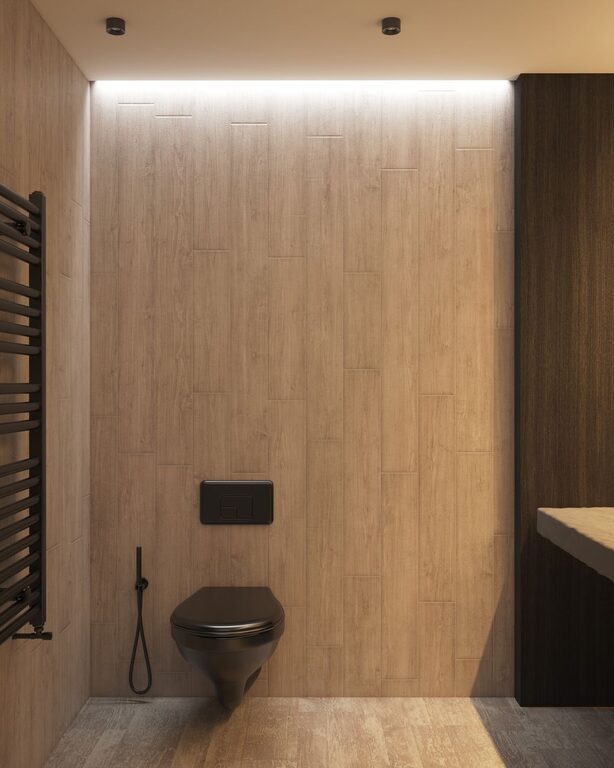
Creating a minimalist bathroom setup can transform your space into a serene and clutter-free sanctuary. Minimalism emphasizes simplicity, clean lines, and functionality while reducing unnecessary items. Whether you have a large bathroom or a small powder room, adopting minimalist principles can make your bathroom feel more spacious, organized, and relaxing.
In this post, we’ll walk you through practical steps to design a minimalist bathroom that suits your needs and style.
What Is a Minimalist Bathroom?
A minimalist bathroom is one that focuses on essential items, clear surfaces, and a streamlined look. It avoids excessive decoration, unnecessary products, and bulky furniture. The goal is to create a calming environment with a clean aesthetic and efficient use of space.
Minimalist bathrooms often feature:
– Neutral color palettes
– Simple fixtures and fittings
– Hidden or limited storage
– Clean, open surfaces
– Minimal accessories or décor
Step 1: Declutter Your Bathroom Essentials
Before you start redesigning, take a close look at what you actually use in your bathroom. Minimalism begins with removing excess.
How to declutter effectively:
– Sort through your toiletries, skincare, and cleaning products. Toss expired or unused items.
– Keep only your daily essentials and store backups elsewhere.
– Limit decorations to just a couple of meaningful or functional items.
– Donate products or tools you no longer need.
By reducing the number of objects, you make your bathroom easier to clean and maintain.
Step 2: Choose a Neutral and Soothing Color Palette
Minimalist bathrooms usually feature soft, neutral colors like white, beige, gray, or pale pastels. These shades help create a calm and spacious feeling.
Tips for selecting colors:
– Paint walls in light shades to maximize brightness.
– Use white or light-colored tiles for a clean look.
– Accent with natural tones such as wood or stone for warmth.
– Avoid bold patterns or overwhelming colors.
If you want a pop of color, keep it subtle and limited to one or two small accents, such as towels or a plant.
Step 3: Select Simple and Functional Fixtures
Minimalism values quality over quantity. Choose bathroom fixtures that are sleek and functional without ornate details.
What to consider:
– Opt for wall-mounted sinks or floating vanities to create a sense of openness.
– Select plain faucets with clean lines in chrome, matte black, or brushed nickel.
– Pick a frameless or thin-framed mirror, perhaps with built-in lighting.
– Use a simple shower enclosure or a clear glass panel to visually expand the space.
By choosing streamlined fixtures, you enhance the minimalist aesthetic and make cleaning easier.
Step 4: Maximize Smart Storage Solutions
Even minimalist bathrooms need storage to keep essentials organized and out of sight.
Storage ideas:
– Use built-in shelves or recessed niches in the shower or walls.
– Consider vanity drawers with dividers rather than open shelving.
– Install hooks or bars for towels instead of bulky racks.
– Use baskets or boxes inside cabinets for grouping items neatly.
The key is to reduce visible clutter while keeping everything accessible.
Step 5: Keep the Surfaces Clear and Clean
A hallmark of minimalist design is open, uncluttered surfaces. Keeping countertops, shelves, and floors clear creates an airy feel.
How to maintain clear surfaces:
– Store items you don’t need daily inside cabinets or drawers.
– Use minimal countertop products; choose multi-use items if possible.
– Pick simple, matching containers for soap and lotion dispensers.
– Clean regularly to avoid buildup or staining.
This practice helps maintain the peaceful atmosphere and highlights the clean design.
Step 6: Add Simple and Meaningful Accents
While minimalism discourages excessive decoration, a few well-chosen accents can add personality and warmth.
Accent ideas:
– A small potted plant like a succulent or fern for a touch of green.
– A wooden stool or bamboo bath mat for natural texture.
– Soft, neutral-toned towels and bathrobes with minimal patterns.
– Simple artwork or a framed print with calm imagery.
Choose accents that complement the color palette and functionality without overwhelming the space.
Step 7: Use Quality Lighting That Enhances the Space
Lighting can make a big difference in a minimalist bathroom.
Lighting tips:
– Use natural light as much as possible by avoiding heavy window treatments.
– Install bright but soft overhead lighting with clean fixtures.
– Add task lighting around mirrors for clarity during grooming.
– Consider LED strips under vanities or shelves to add subtle ambiance.
Good lighting highlights the simplicity of the design and keeps the space inviting.
Final Thoughts
Creating a minimalist bathroom setup is all about reducing clutter, choosing streamlined fixtures, and maintaining clean, open surfaces. It encourages a calm and organized environment where form meets function.
Start small by decluttering and gradually introduce simple design elements until you achieve a balanced, minimalist look that reflects your personal style. With thoughtful planning and a focus on essentials, your bathroom can become a refreshing retreat in your home.
Happy decorating!
About the Author