
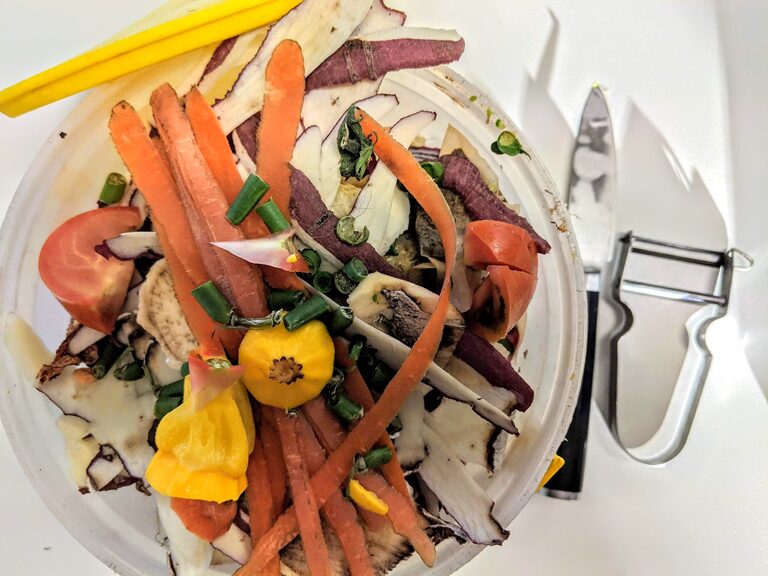
Reducing food waste at home is a smart and practical way to save money, conserve resources, and lessen your environmental footprint. Many households throw away a significant amount of food each week, often without realizing it. Fortunately, by adopting a few easy habits and some planning, you can cut down on waste and make the most of the food you buy. This post explores practical ways to reduce food waste in your kitchen and home.
Why Reducing Food Waste Matters
Before diving into strategies, it’s helpful to understand why reducing food waste is important. Food production uses water, energy, and land, so when food is wasted, these resources are wasted too. Additionally, food waste contributes to landfill overflow and methane emissions, a potent greenhouse gas. By reducing waste, you help conserve resources, reduce pollution, and can save by buying only what you need.
Plan Your Meals and Shopping
One of the most effective ways to reduce food waste is careful meal planning and shopping.
Create a Weekly Meal Plan
Plan meals for the week based on your schedule and preferences. A clear plan helps you buy only ingredients you need and avoid impulse purchases that might end up unused.
Make a Shopping List
Write a detailed shopping list based on your meal plan and stick to it. This reduces the chance of buying extra items that may spoil before use.
Shop Smart
– Shop with a full stomach to avoid impulse buying.
– Buy loose produce instead of pre-packaged to get exact amounts.
– Choose items with longer shelf life if you won’t use them immediately.
Store Food Properly
Proper storage can significantly extend the life of food.
Understand Food Storage Basics
– Keep fruits and vegetables separate—some release gases that cause others to spoil faster.
– Store perishables like dairy and meat in the coldest part of your fridge.
– Use airtight containers for leftovers and opened packages.
Use FIFO: First In, First Out
Organize your fridge and pantry so you use older items before newer ones. Labeling items with purchase or open dates helps track freshness.
Use Leftovers Creatively
Leftovers are often discarded, but a little creativity can transform them into delicious meals.
Repurpose Meals
Turn leftover vegetables into soups, stews, or stir-fries. Use stale bread for croutons or bread pudding.
Plan for Leftover Days
Designate one or two days each week to eat leftovers, reducing waste and saving cooking time.
Buy Smartly and Mindfully
Avoid overbuying by understanding your household’s consumption patterns.
Smaller Portions and Bulk Buying
Buy smaller amounts of perishable foods if your household is small. For non-perishables, bulk can be cost-effective but only if you will use the items before expiration.
Choose Ugly Produce
Many stores now sell “imperfect” fruits and vegetables at lower prices. These are just as nutritious and tasty but often go to waste.
Compost Food Scraps
Even with best efforts, some food scraps will be unavoidable.
Start a Compost Bin
Composting organic waste turns scraps into nutrient-rich soil for your garden, reducing landfill contributions.
What to Compost
Vegetable peels, coffee grounds, eggshells, and fruit scraps are excellent compost materials. Avoid meat and dairy in home compost bins.
Monitor and Reflect on Your Waste
Regularly check your trash and fridge to identify what you throw away most often.
Keep a Food Waste Diary
Note the types and amounts of food wasted each week. This awareness helps you adjust buying and cooking habits.
Involve the Whole Household
Discuss food waste with family or roommates and agree on shared goals to reduce it.
Conclusion
Reducing food waste at home is achievable with small, consistent actions. Planning meals, shopping thoughtfully, storing food properly, using leftovers creatively, and composting scraps all contribute to waste reduction. These steps save money, support environmental health, and encourage a mindful approach to food. Start with one or two strategies today and build on them for a waste-conscious home.
By making simple changes, every household can make a meaningful difference. What’s one food waste reduction tip you’re excited to try? Share your thoughts and ideas below!
About the Author